
Biceps brachii: origin, insertion, action and innervation
The biceps brachii has two heads arising from the scapula and inserts on the radial tuberosity. It flexes the elbow, supinates the forearm and is supplied by the musculocutaneous nerve.
Quick answer
- Latin name
- Musculus biceps brachii
- Origin
- Long head: supraglenoid tubercle of the scapula. Short head: coracoid process of the scapula
- Insertion
- Radial tuberosity of the radius, and the forearm fascia through the bicipital aponeurosis
- Action
- Flexes the elbow, supinates the forearm (its strongest action), assists flexion of the shoulder
- Innervation
- Musculocutaneous nerve (C5–C6)
- Blood supply
- Muscular branches of the brachial artery
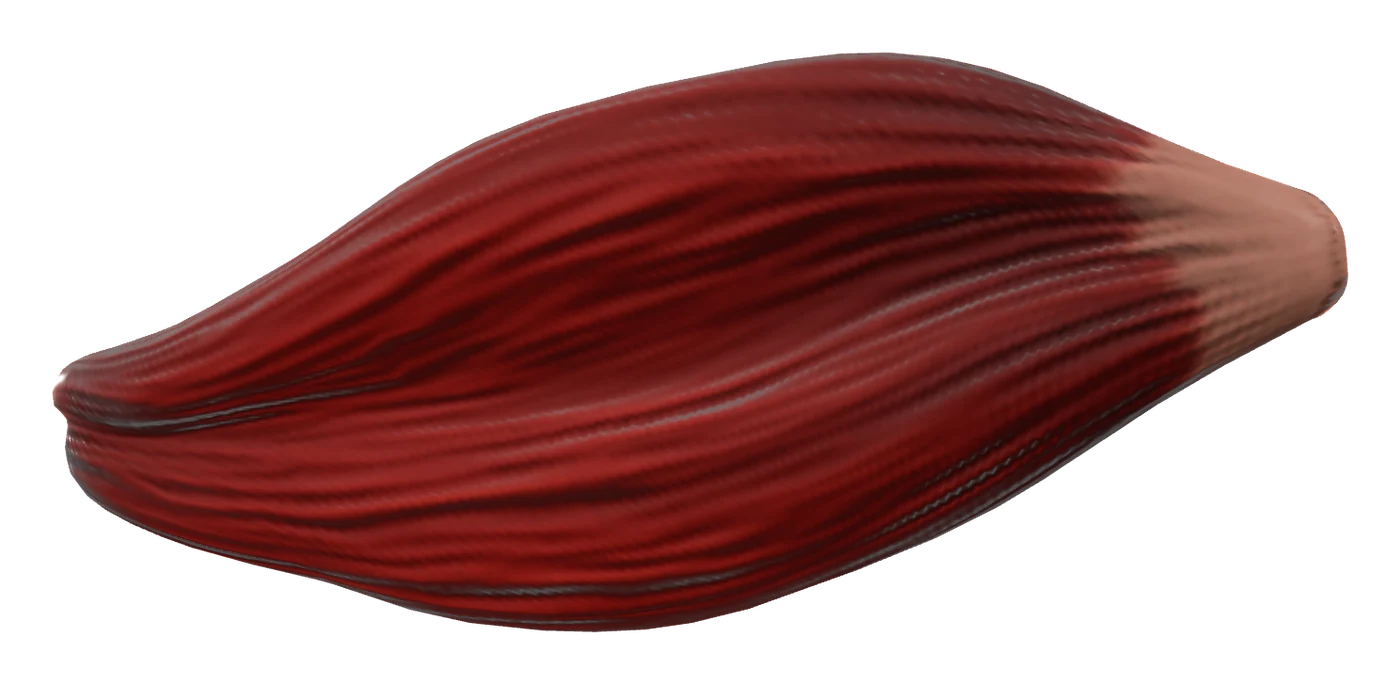
The biceps brachii is the muscle most people picture when they think of "the arm". It sits on the front of the upper arm, superficial to the brachialis, and gives the arm its rounded front contour when you bend the elbow.
Where it is
The biceps lies in the anterior compartment of the arm, between the shoulder and the elbow. Its two heads start separately at the shoulder, run down the front of the humerus side by side and join into one belly in the middle of the arm. Deep to it lies the brachialis, which is the elbow's workhorse flexor. At the elbow, the biceps tendon dives into the cubital fossa, where you can feel it as a firm cord when you flex your elbow against resistance.
Origin and insertion
The biceps is unusual: it crosses two joints (shoulder and elbow) and attaches to neither bone of the arm itself.
- The long head arises from the supraglenoid tubercle, just above the socket of the shoulder joint. Its tendon runs inside the joint capsule, over the head of the humerus, then down the intertubercular (bicipital) groove.
- The short head arises from the coracoid process of the scapula, alongside the coracobrachialis.
- The two heads end in a single tendon on the radial tuberosity, a bump on the inner side of the radius just below the elbow. A flat sheet, the bicipital aponeurosis, fans out from the tendon into the fascia of the forearm.
What it does
- Supination: because it inserts on the radius, the biceps rolls the forearm from palm-down to palm-up. It's the most powerful supinator, especially when the elbow is bent, which is why turning a screwdriver clockwise (for a right-handed person) is easy.
- Elbow flexion: it bends the elbow, most efficiently when the forearm is supinated.
- Shoulder flexion: a weak helper in raising the arm forwards, through the long head.
Innervation and blood supply
The biceps is supplied by the musculocutaneous nerve (spinal roots C5 and C6), which pierces the coracobrachialis and then runs between the biceps and the brachialis. Its blood comes from muscular branches of the brachial artery.
How to remember it
- "Biceps, two heads, two joints."
- Long head = goes the long way, through the shoulder joint. Short head = the shorter route from the coracoid.
- "Corkscrew in, then pull the cork": supinate (screw in), then flex the elbow (pull the cork). Both are biceps.
Frequently asked questions
What are the two heads of the biceps?
The long head, from the supraglenoid tubercle of the scapula, and the short head, from the coracoid process of the scapula. They join into one belly and one tendon.
Is the biceps the main elbow flexor?
It's a strong elbow flexor, but the brachialis, which lies underneath, flexes the elbow in every forearm position and does much of the everyday work. The biceps is the main supinator.
Where does the biceps insert?
On the radial tuberosity of the radius, with an extra attachment into the forearm fascia through the bicipital aponeurosis.
Which nerve supplies the biceps?
The musculocutaneous nerve, from spinal roots C5 and C6.