Head and neck anatomy
Learn the head and neck in 3D: 2 bones, 36 muscles and 6 organs explained with origins, insertions and actions, area tables and free quizzes.
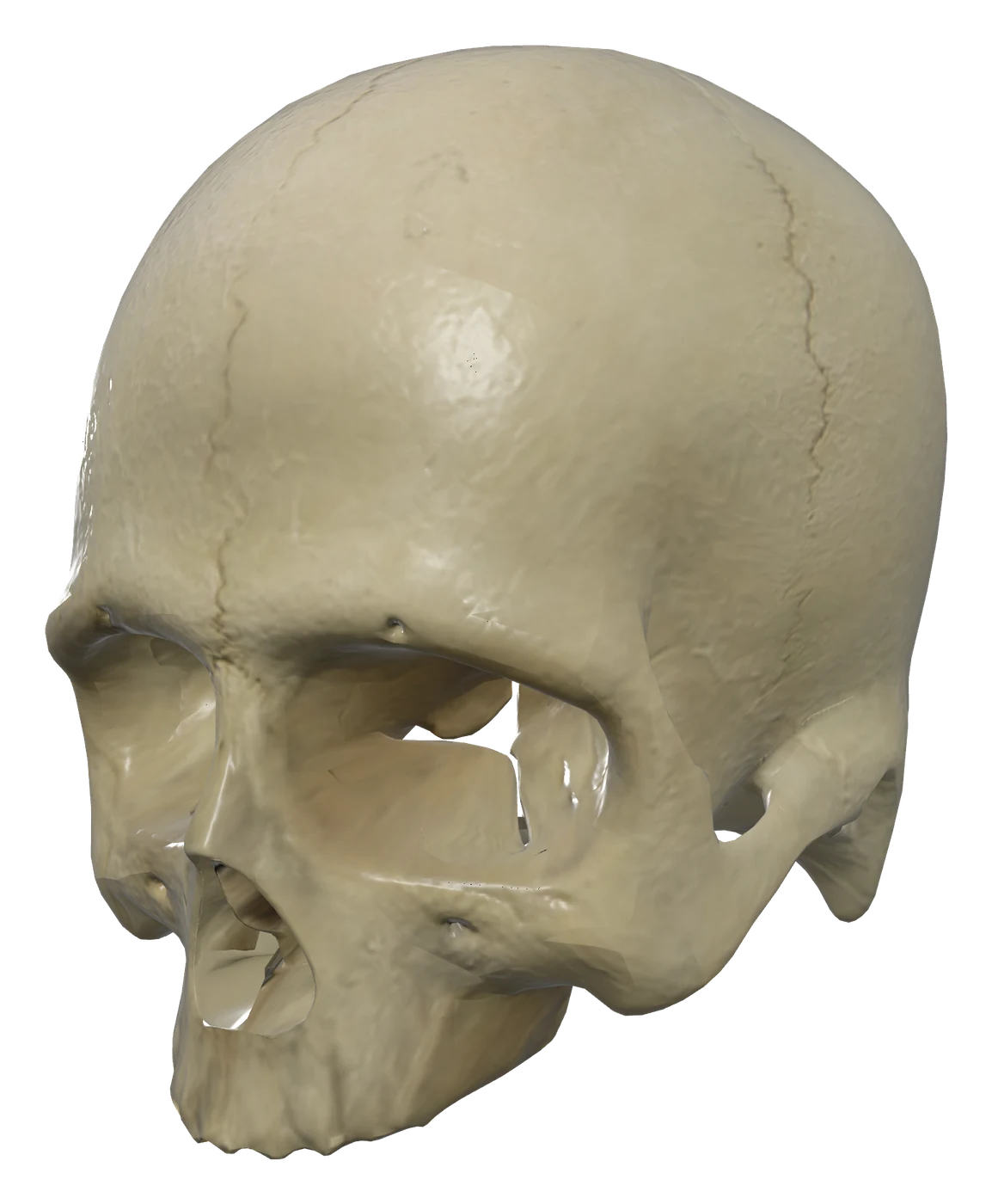
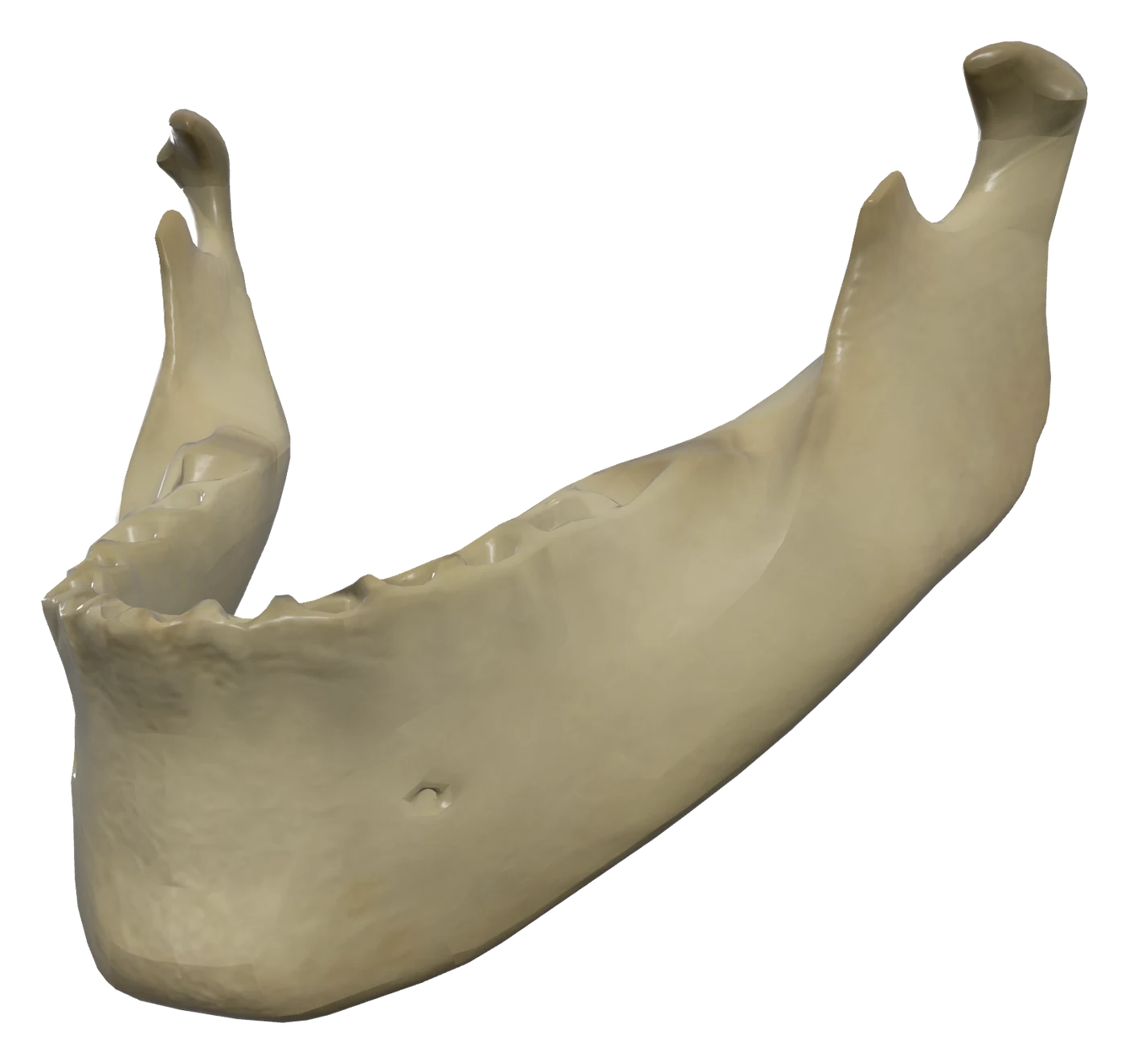
The head and neck hold the brain and the sense organs and connect them to the trunk. The skull protects the brain and the mandible forms the lower jaw, while the cervical vertebrae carry the head and let it nod and turn. The muscles here move the jaw, the face and the head: the temporalis and the masseter for chewing, the small muscles of facial expression, and the sternocleidomastoid at the side of the neck.
Bones of the head and neck
Muscles of the head and neck
Face muscles 15 with a page · full table →
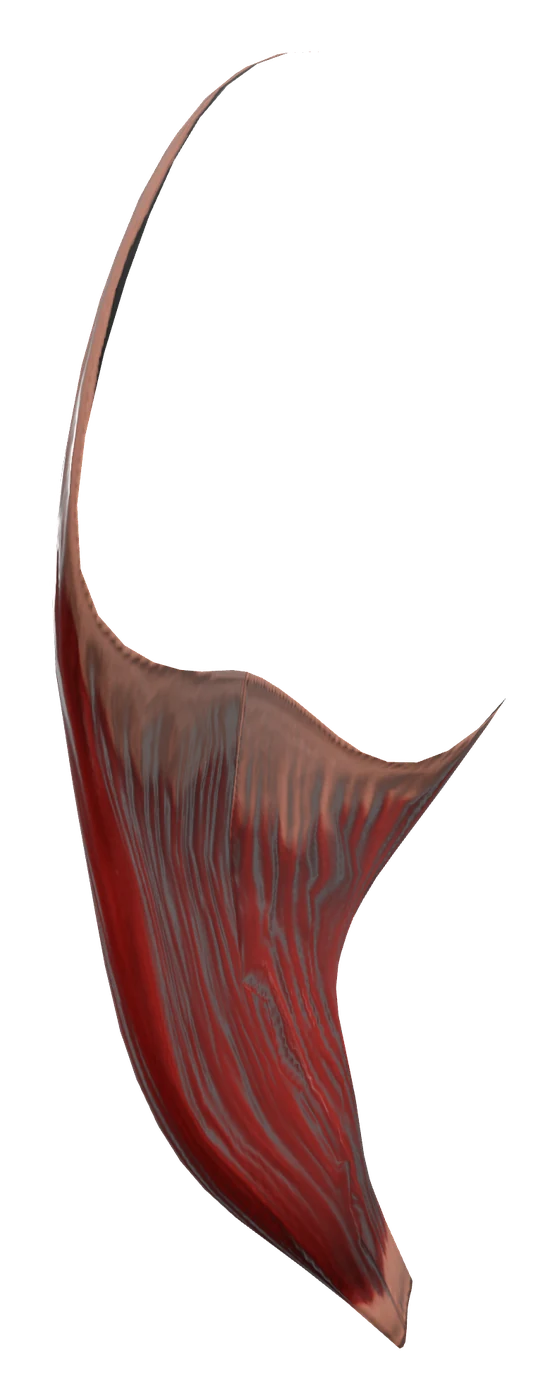 TemporalisMusculus temporalis
Other muscles
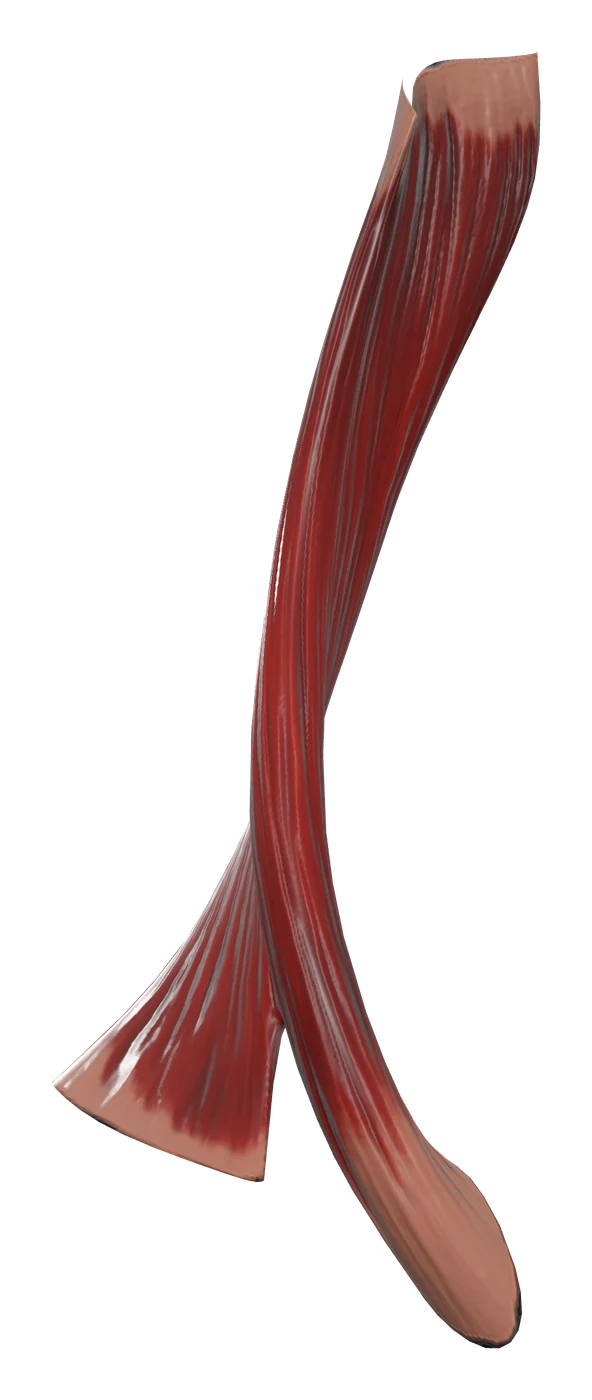 SternocleidomastoidMusculus sternocleidomastoideus
SternohyoidMusculus sternohyoideus
SternothyroidMusculus sternothyroideus
StylohyoidMusculus stylohyoideus
Superior auricularMusculus auricularis superior
ThyrohyoidMusculus thyrohyoideus
Organs of the head and neck
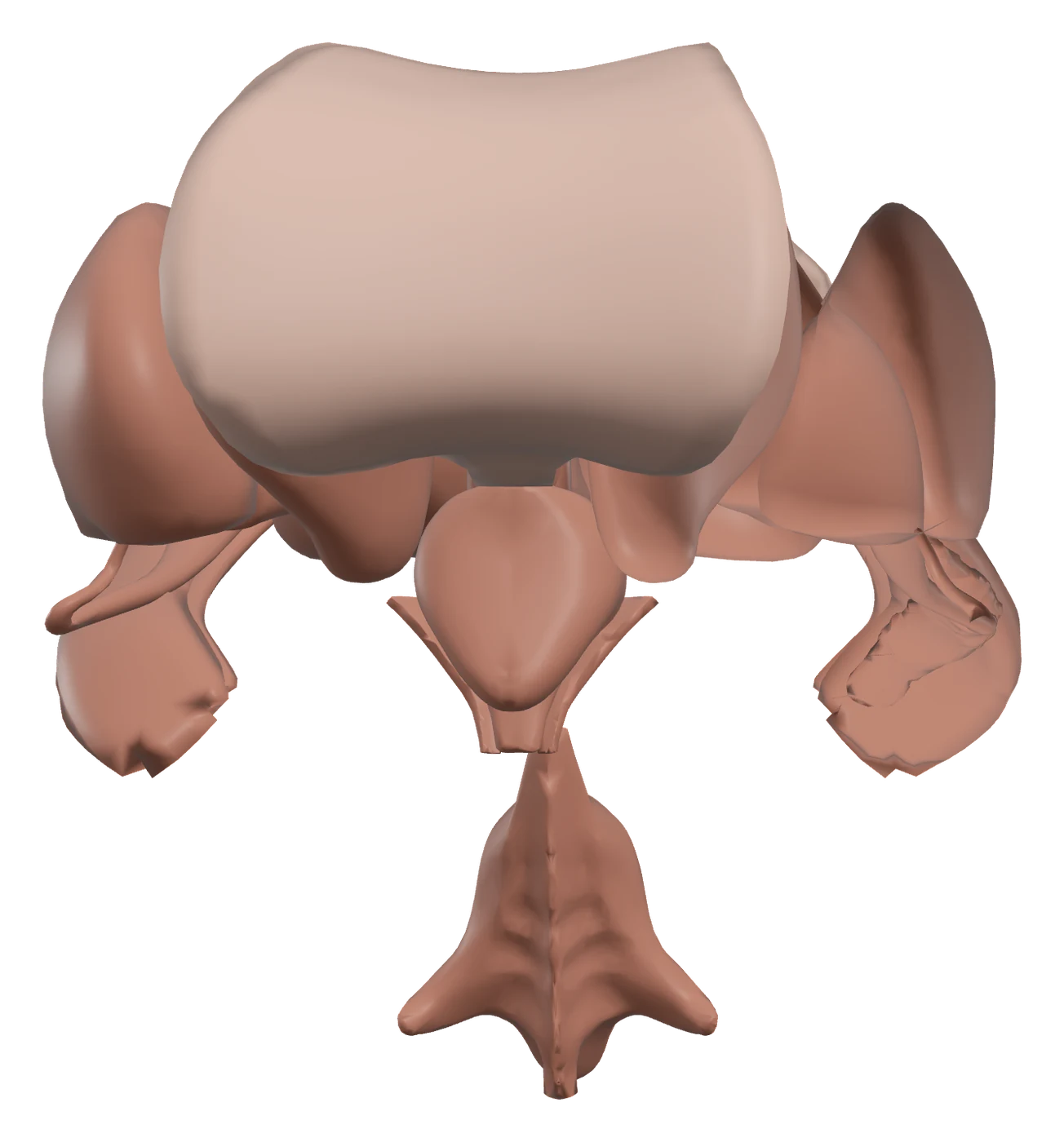 Brain ventricles
Four fluid-filled cavities deep in the brain, and the structures that surround them.
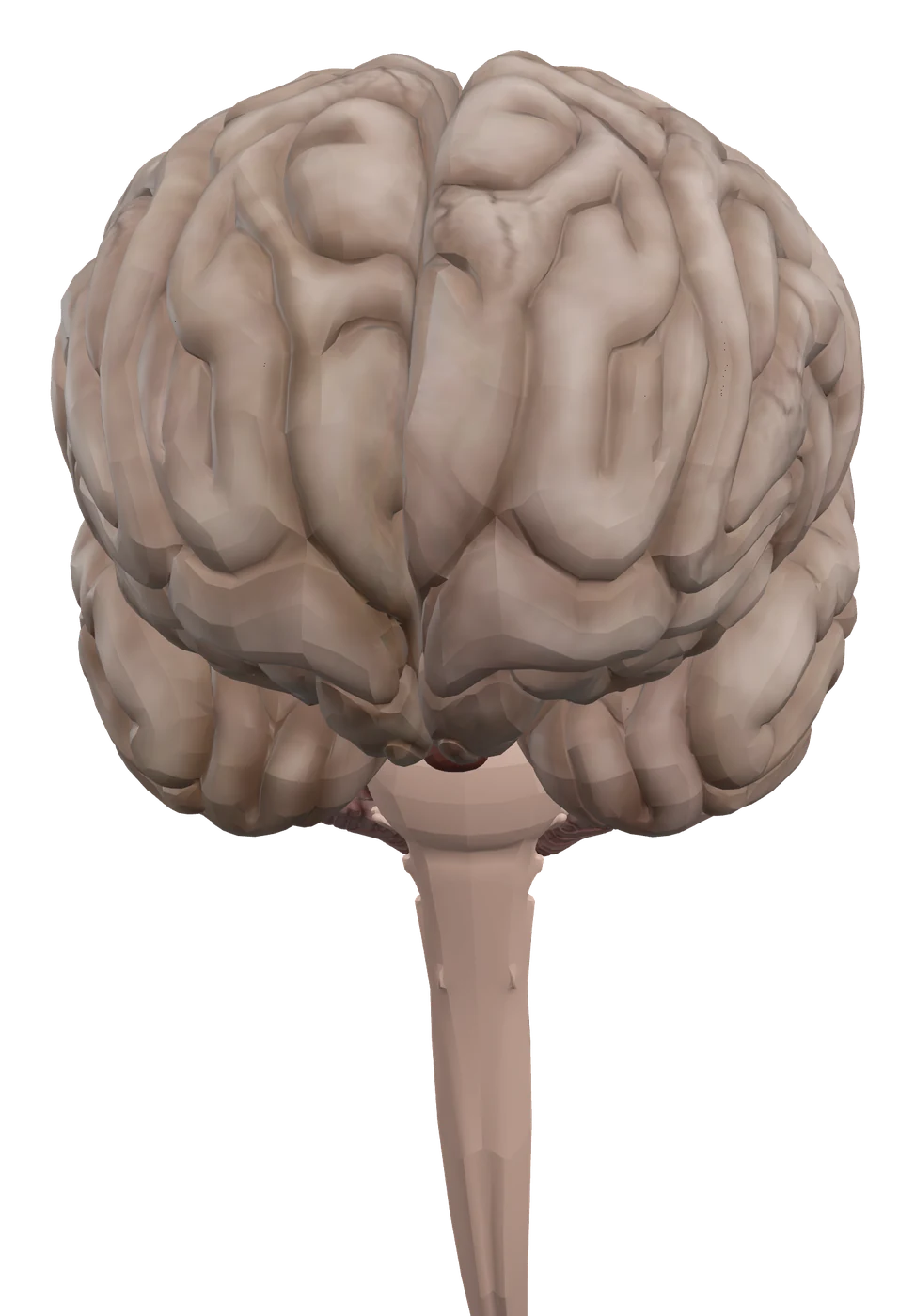 Brain
The control center of the nervous system, protected inside the skull.
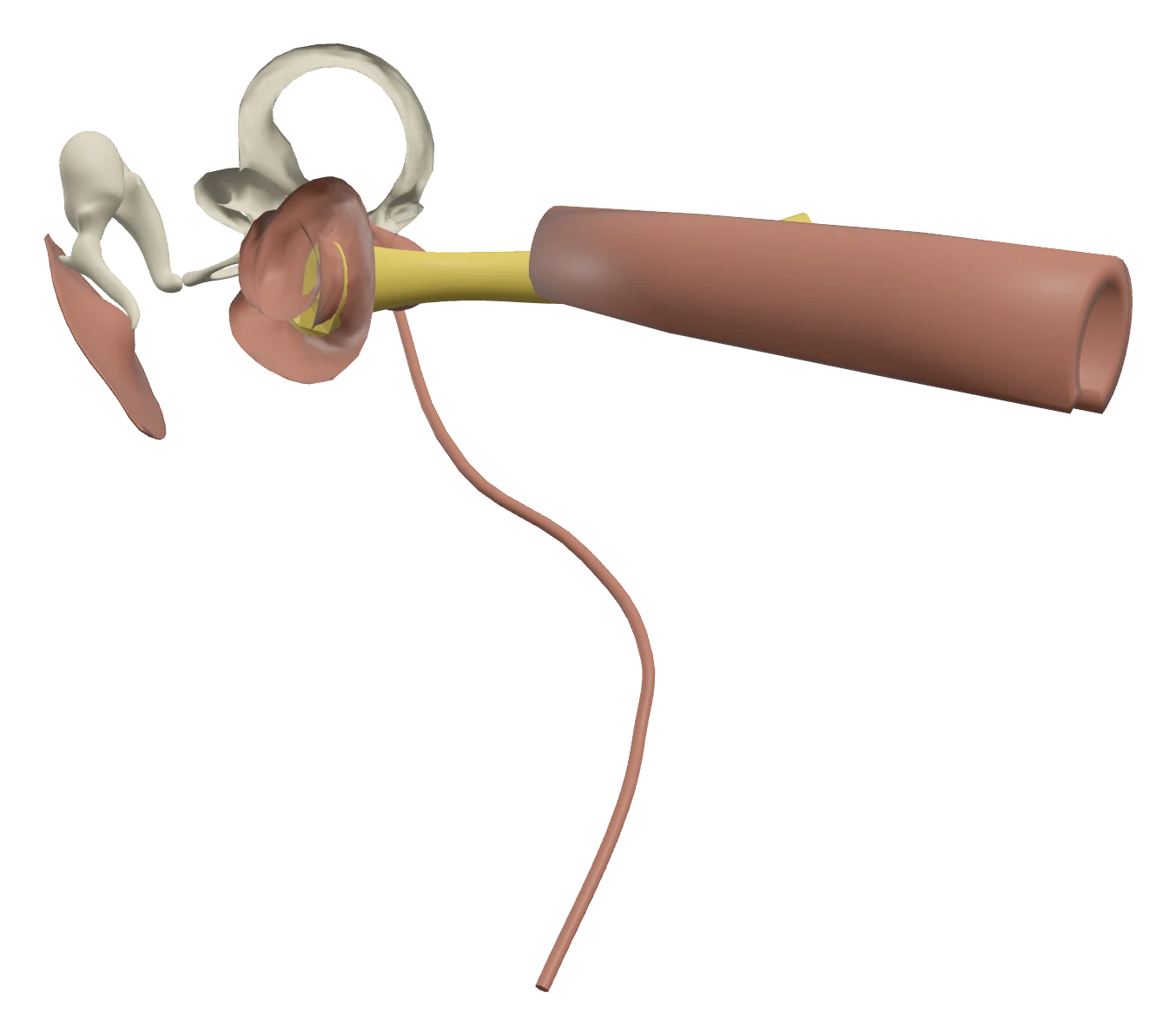 Ear
The organ of hearing and balance, mostly hidden inside the temporal bone.
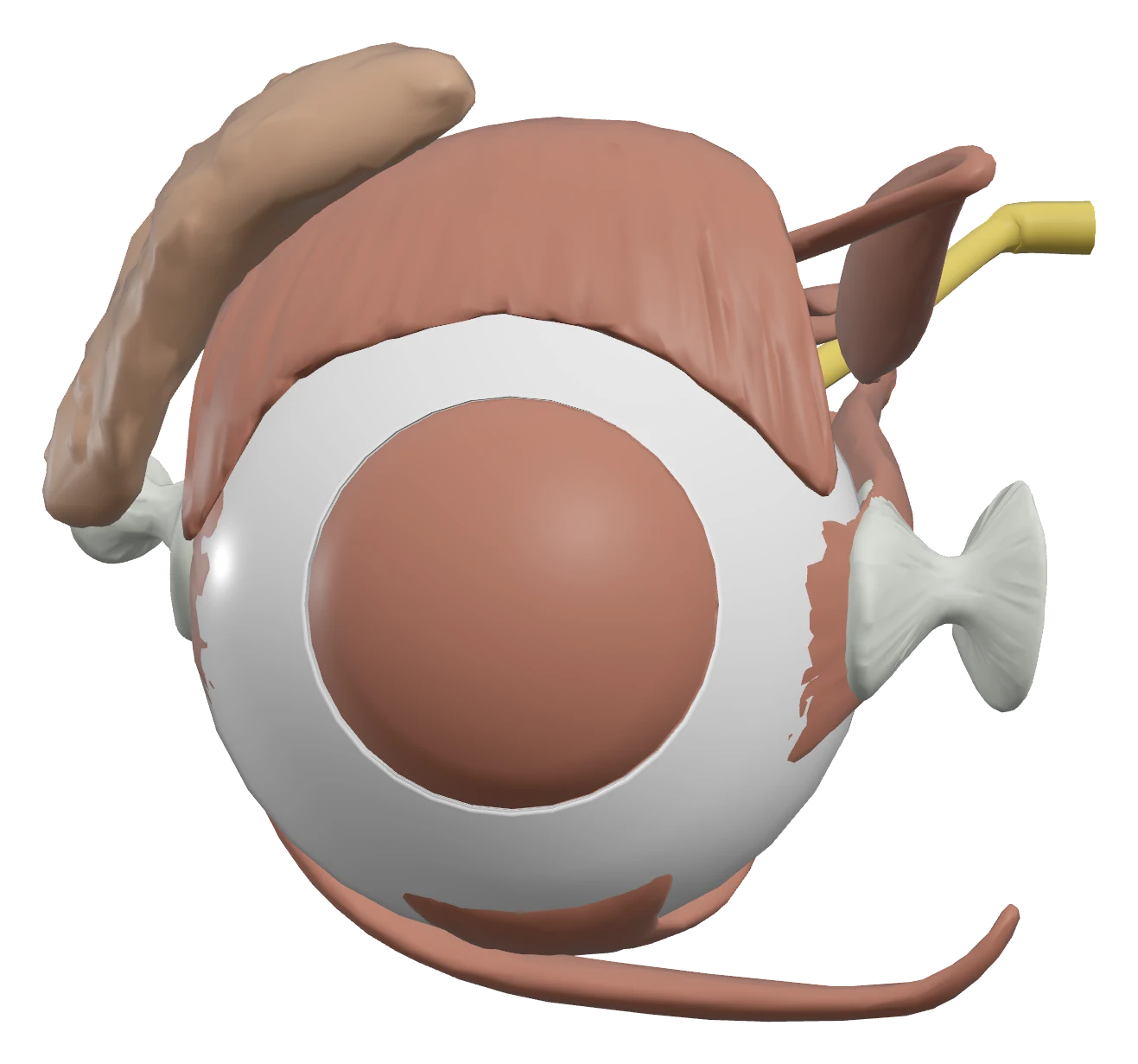 Eye
The organ of vision, with its three layers and six muscles in the orbit.
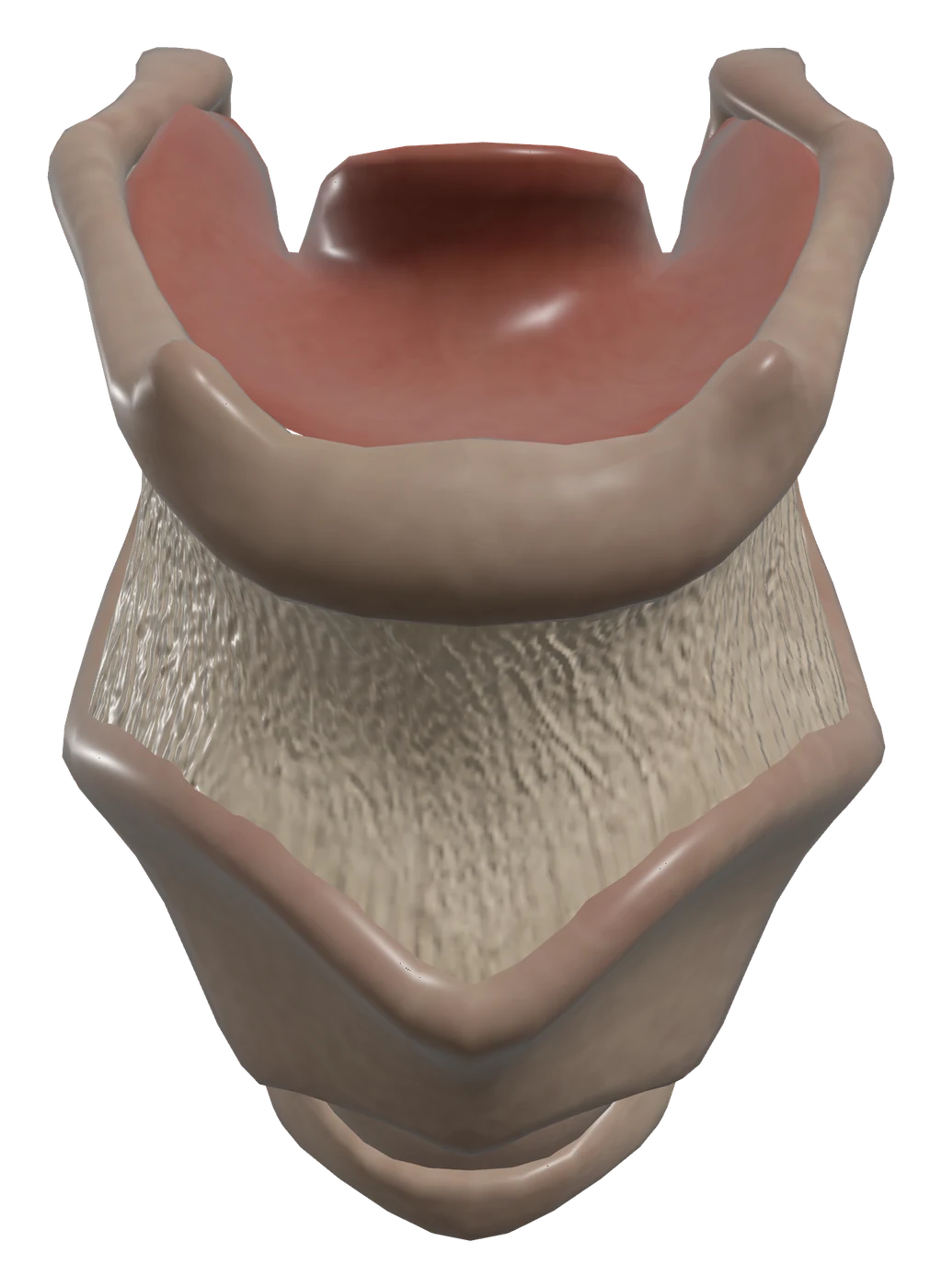 Larynx
The voice box at the top of the airway, built from cartilage and folds.
Tongue
The muscular organ of the mouth used for chewing, swallowing, taste and speech.
Test yourself
Name it, find it, light them all on a real 3D body, in 3 levels. Free, in the browser.
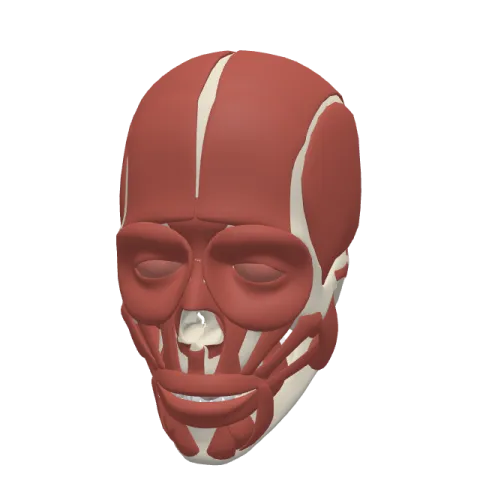
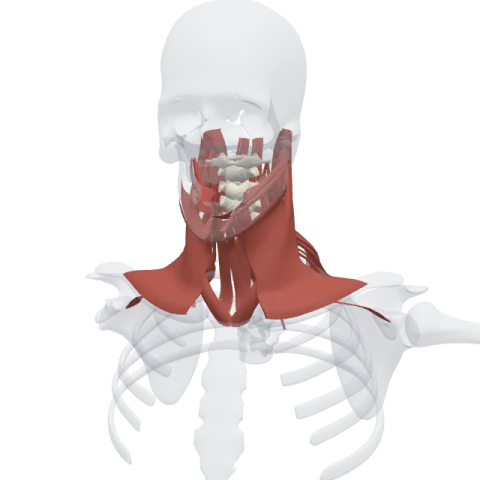
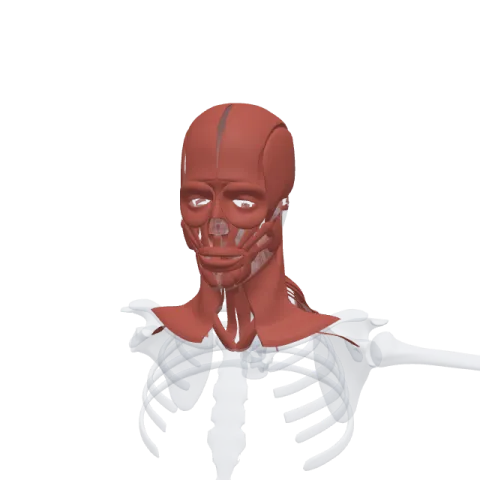
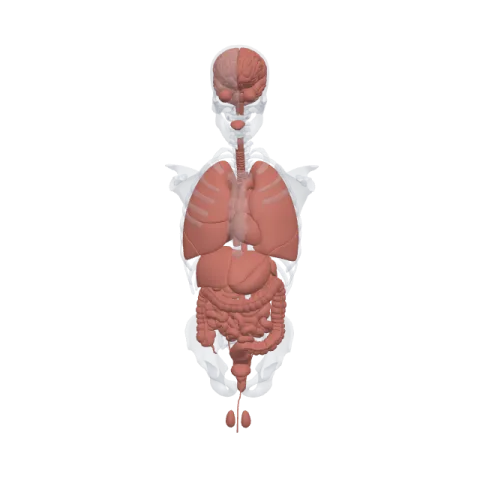
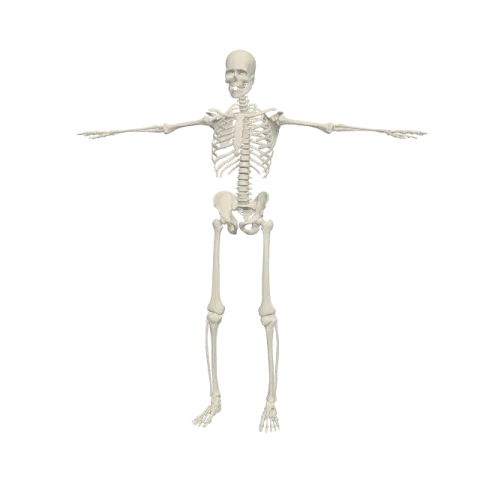

Revise the whole head and neck in 3D, free
Every bone and muscle of the head and neck on a 3D body you can turn and peel, and a quiz that names a structure for you to find: 15 questions on the head or neck region. No account, no ads, works offline on iPhone and iPad.
Download free on the App Store Scan with your iPhone