
Region · Upper limb
Muscles of the shoulder: rotator cuff, deltoid and scapular muscles
The muscles of the shoulder include the rotator cuff, the deltoid, the muscles that steer the scapula and the large chest and back muscles that move the arm.
The shoulder is moved by two sets of muscles: those that move the arm at the shoulder joint, such as the deltoid and the four rotator cuff muscles, and those that move the scapula on the chest wall, such as the trapezius, the rhomboids and the serratus anterior. The arm can only reach overhead because both sets work at the same time.
At a glance
| Muscle | Origin | Insertion | Action |
|---|---|---|---|
| Deltoid | Scapula, Clavicle | Humerus | Abducts the arm; the anterior fibres flex and the posterior fibres extend it |
| Supraspinatus | Scapula | Humerus | Abducts the arm; stabilises the shoulder |
| Infraspinatus | Scapula | Humerus | Laterally rotates the arm; stabilises the shoulder |
| Teres minor | Scapula | Humerus | Laterally rotates the arm; stabilises the shoulder |
| Subscapularis | Scapula | Humerus | Medially rotates the arm; stabilises the shoulder |
| Teres major | Scapula | Humerus | Adducts, extends and medially rotates the arm |
| Trapezius | Occipital bone, Nuchal ligament, Vertebrae C7–T12 | Clavicle, Scapula | Elevates, retracts and depresses the scapula; rotates it upward |
| Levator scapulae | Atlas (C1), Axis (C2), Vertebra C3, Vertebra C4 | Scapula | Elevates the scapula |
| Rhomboid major | Vertebrae T2–T5 | Scapula | Retracts and elevates the scapula |
| Rhomboid minor | Vertebra C7, Vertebra T1 | Scapula | Retracts and elevates the scapula |
| Serratus anterior | First to eighth ribs | Scapula | Protracts the scapula and rotates it upward |
| Pectoralis minor | Third rib, Fourth rib, Fifth rib | Scapula | Draws the scapula forward and downward |
| Pectoralis major | Clavicle, Sternum, Costal cartilages of ribs 1–6 | Humerus | Adducts, medially rotates and flexes the arm |
| Latissimus dorsi | Vertebrae T7–L5, Sacrum, Hip bone, Ribs 9–12 | Humerus | Extends, adducts and medially rotates the arm |
From the anatomical data behind Anatomy Atlas 3D (Z-Anatomy, CC BY-SA 4.0, reviewed). Names link to the detailed page when there is one.
How they are organized
The shoulder joint is a shallow ball and socket: the large head of the humerus sits on the small glenoid cavity of the scapula. Muscles, not bone, keep it stable. This page groups 14 muscles into four families.
The rotator cuff
Four muscles run from the scapula to the top of the humerus and blend with the joint capsule:
- Supraspinatus, above the spine of the scapula.
- Infraspinatus, below the spine.
- Teres minor, along the outer border of the scapula.
- Subscapularis, on the front of the scapula, against the ribs.
Their tendons form a cuff that holds the head of the humerus against the glenoid cavity during every movement.
Deltoid and teres major
The deltoid caps the joint from the front, the side and the back. The teres major lies just below the teres minor but is not part of the cuff: it ends on the front of the humerus, next to the latissimus dorsi, and shares its actions.
Muscles that move the scapula
At the back, the trapezius, the levator scapulae and the rhomboid major and minor connect the spine and skull to the scapula. At the front and side, the serratus anterior wraps around the ribs to the inner border of the scapula, and the pectoralis minor runs from the ribs up to the coracoid process. Between them, these six muscles position the scapula so that the glenoid cavity always faces the humerus.
Large movers of the arm
The pectoralis major on the chest and the latissimus dorsi on the back start on the trunk and end directly on the humerus, skipping the scapula. They are the most powerful muscles of the shoulder for pulling and pushing.
What they do together
- Raising the arm to the side. The supraspinatus starts abduction, the deltoid continues it, and beyond about shoulder height the trapezius and serratus anterior must rotate the scapula upwards so the glenoid cavity tilts up. This coordinated movement of humerus and scapula is called the scapulohumeral rhythm.
- Rotation. The infraspinatus, the teres minor and the back of the deltoid rotate the arm outwards. The subscapularis, the teres major, the latissimus dorsi, the pectoralis major and the front of the deltoid rotate it inwards.
- Pulling down and in. The latissimus dorsi, the teres major and the pectoralis major adduct the arm, as in a pull-up or a swimming stroke.
- Steering the scapula. The rhomboids and the middle trapezius squeeze the shoulder blades together. The serratus anterior pulls the scapula forward around the chest, as in a punch, and holds it flat against the ribs. The levator scapulae and the upper trapezius shrug it upwards.
The rotator cuff works in almost every movement, even when it is not the main mover, because the head of the humerus has to stay centered in its shallow socket.
How to learn them
- SITS gives the rotator cuff: Supraspinatus, Infraspinatus, Teres minor, Subscapularis. The first three insert on the greater tubercle of the humerus, in that order from top to back; the subscapularis is the only one on the lesser tubercle, at the front.
- Teres minor versus teres major: minor is in the cuff and rotates outwards; major is out of the cuff and rotates inwards.
- "The lady between two majors": the tendon of the latissimus dorsi ends in the groove between the tubercles of the humerus, between the pectoralis major on one side and the teres major on the other.
- Learn the nerves in pairs: the suprascapular nerve supplies the supraspinatus and infraspinatus; the axillary nerve the deltoid and teres minor; the dorsal scapular nerve the rhomboids and levator scapulae; the long thoracic nerve the serratus anterior; the thoracodorsal nerve the latissimus dorsi; the accessory nerve the trapezius.
Practical exams love the back of the shoulder, where the rotator cuff, the teres major and the long head of the triceps lie close together. In the app, hide the trapezius and deltoid layer to uncover the cuff, isolate each muscle and rotate the model to follow it from the scapula to the humerus, then quiz yourself on the upper limb by tapping each muscle on the 3D body.
Frequently asked questions
What are the four rotator cuff muscles?
The supraspinatus, infraspinatus, teres minor and subscapularis, remembered as SITS.
Is the deltoid part of the rotator cuff?
No. The deltoid covers the rotator cuff but is a separate muscle. Its tendon does not blend with the joint capsule the way the cuff tendons do.
Is the teres major part of the rotator cuff?
No. Only the teres minor belongs to the rotator cuff. The teres major works with the latissimus dorsi.
Which muscles move the scapula?
Mainly the trapezius, levator scapulae, rhomboid major and minor, serratus anterior and pectoralis minor.
Detailed pages
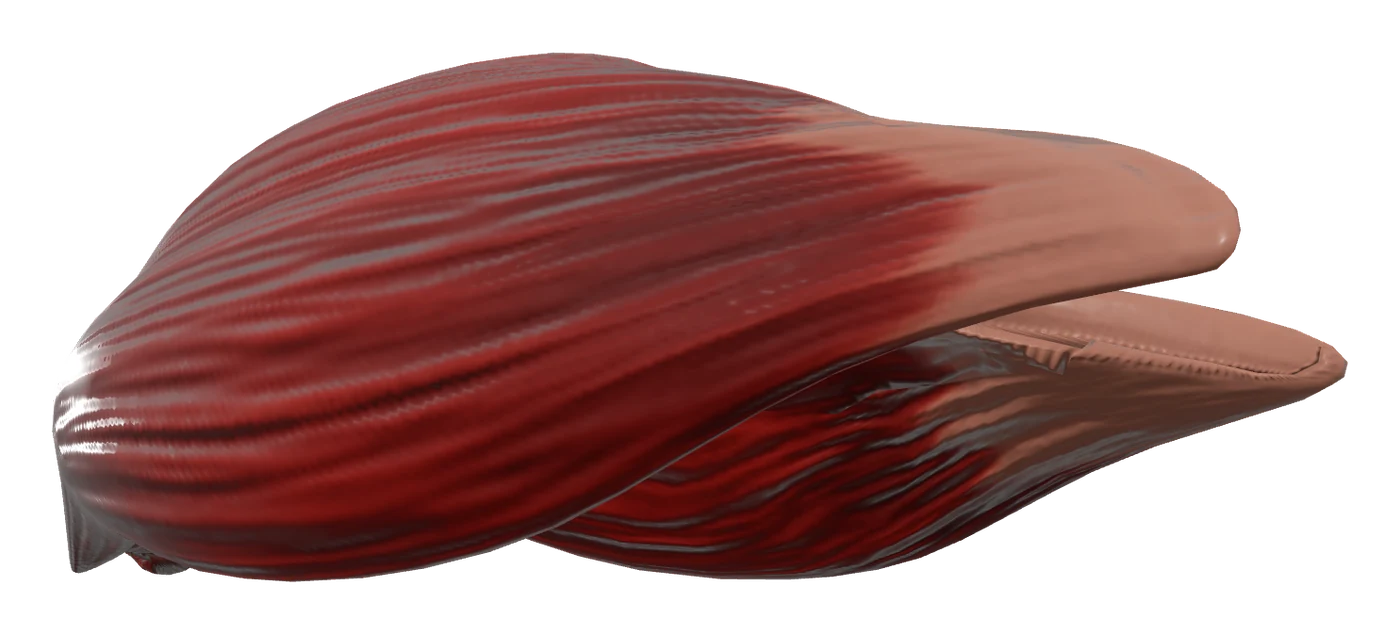 Deltoid
The triangular cap of the shoulder, from clavicle and scapula to the humerus.
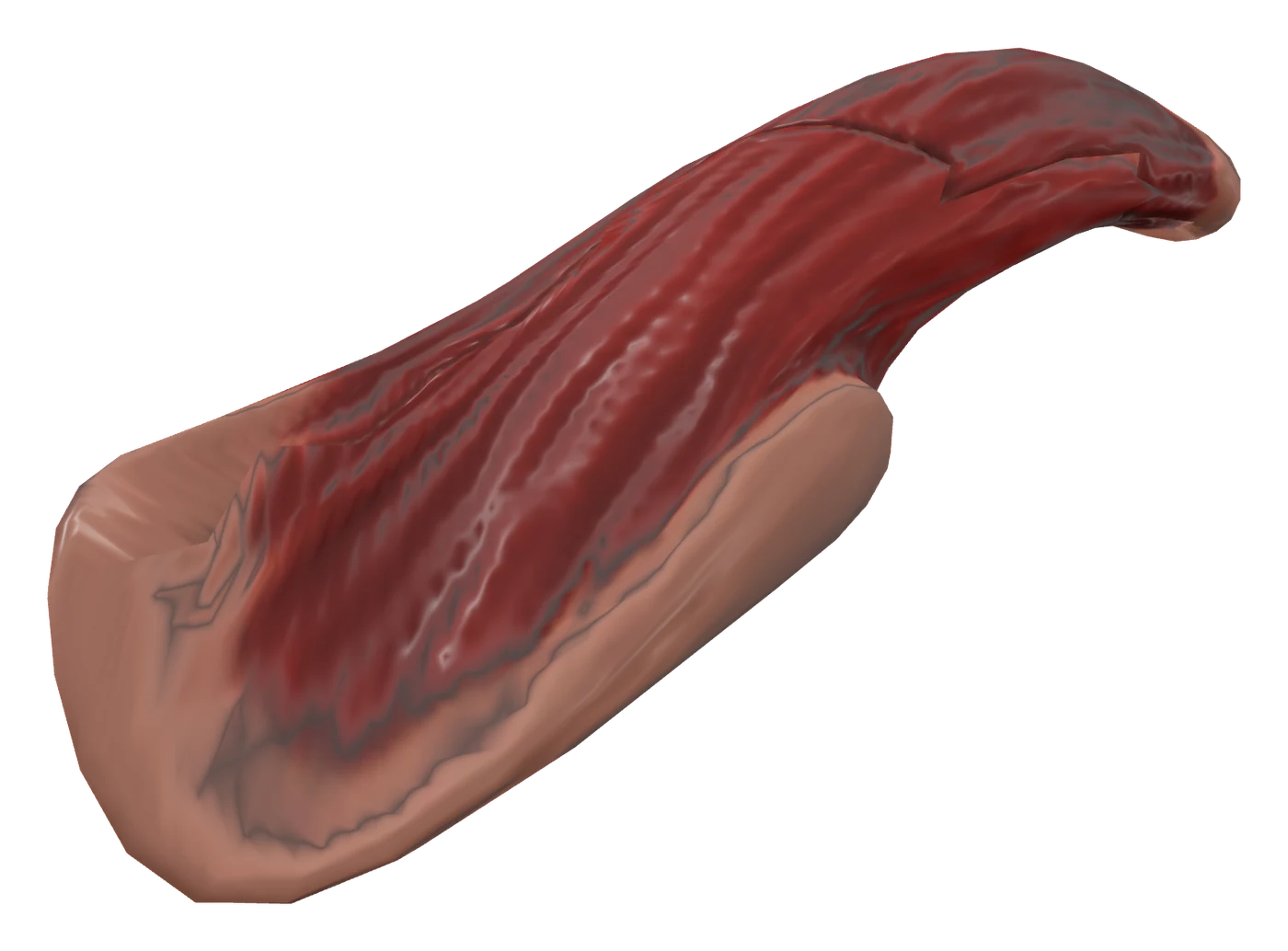 Supraspinatus
The rotator cuff muscle that starts lifting the arm to the side.
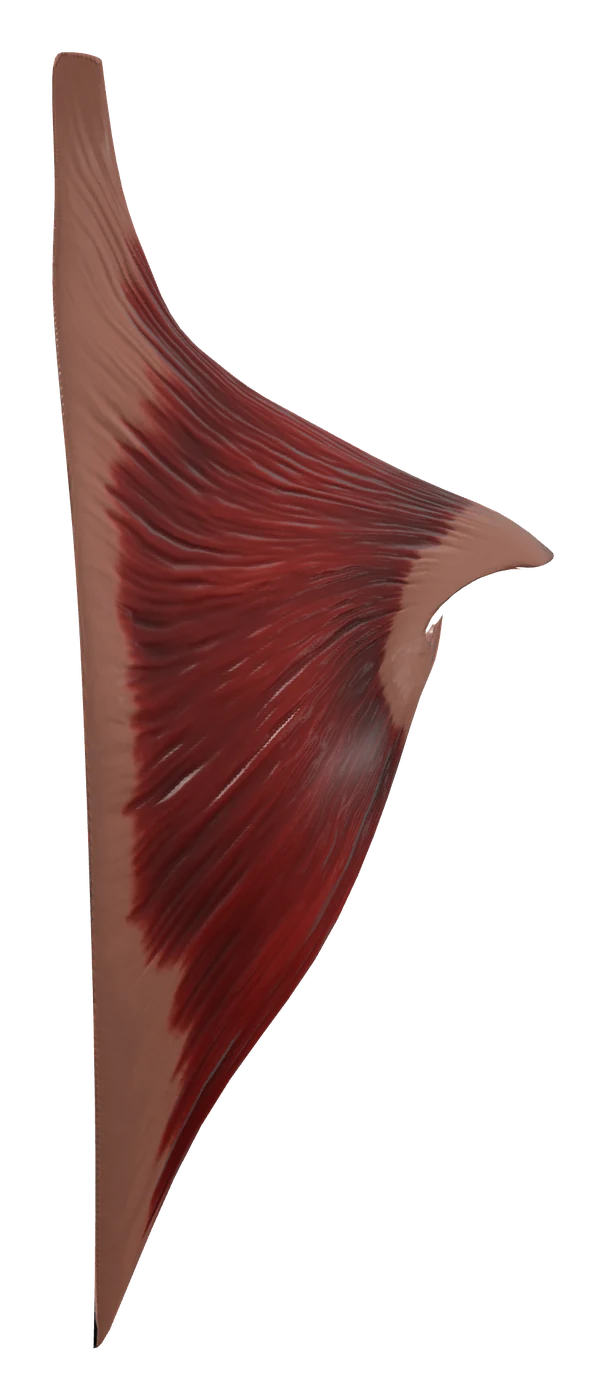 Trapezius
The diamond-shaped muscle that moves and steadies the shoulder blade.
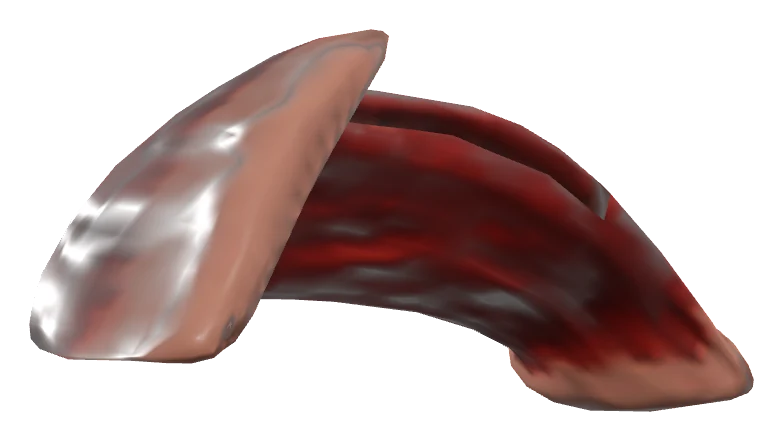 Serratus anterior
The "boxer's muscle" that keeps the shoulder blade on the ribs.
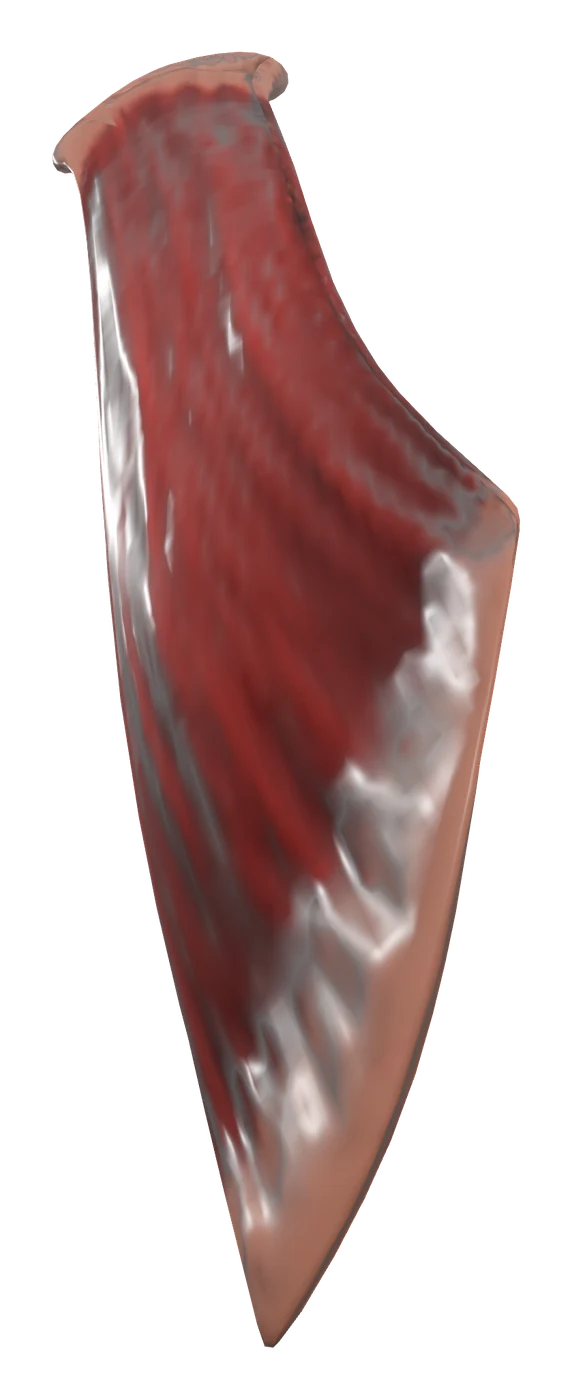 Pectoralis minor
The small triangle under the pec major that steadies the scapula.
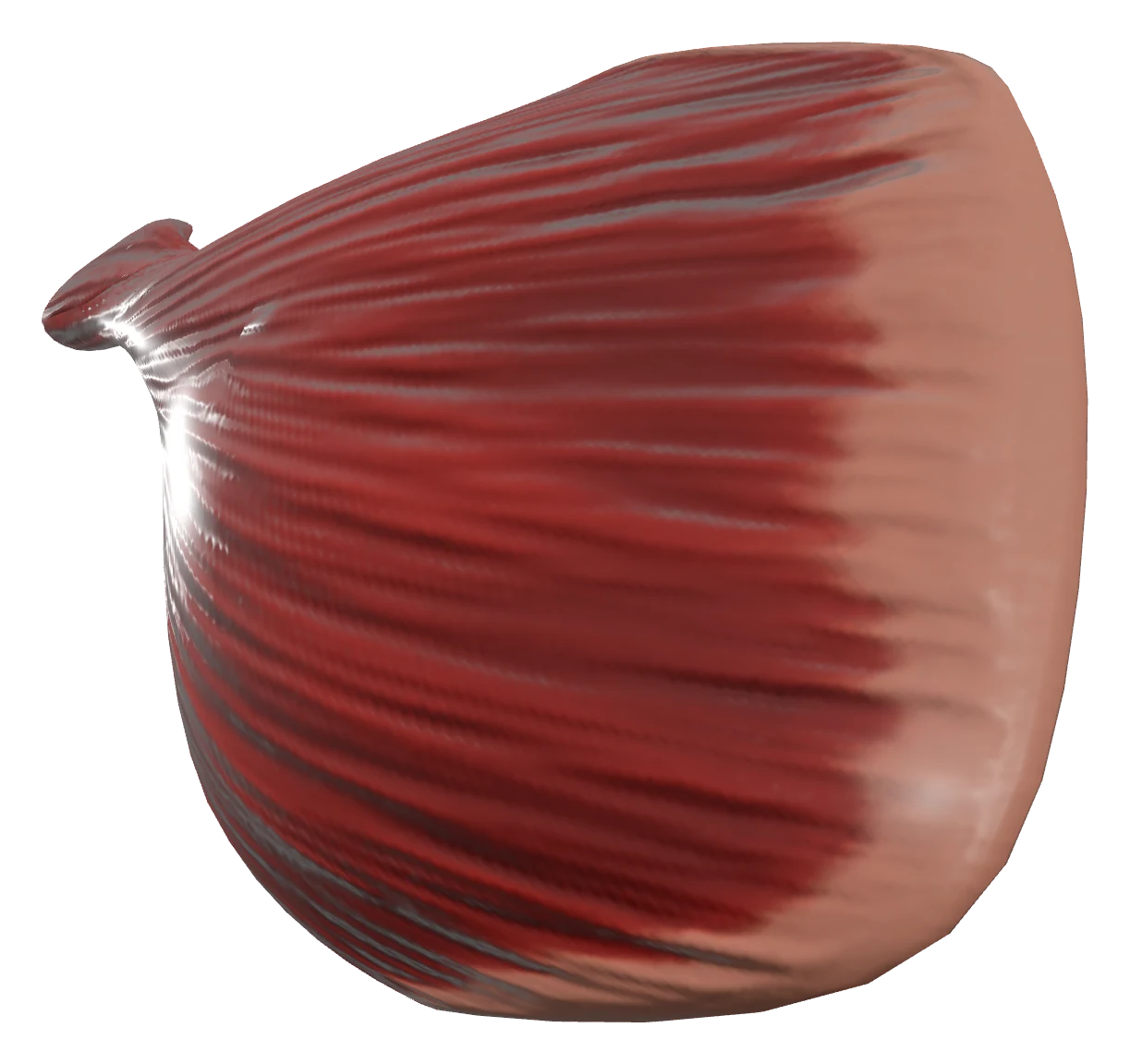 Pectoralis major
The fan-shaped chest muscle that pulls the arm across the body.
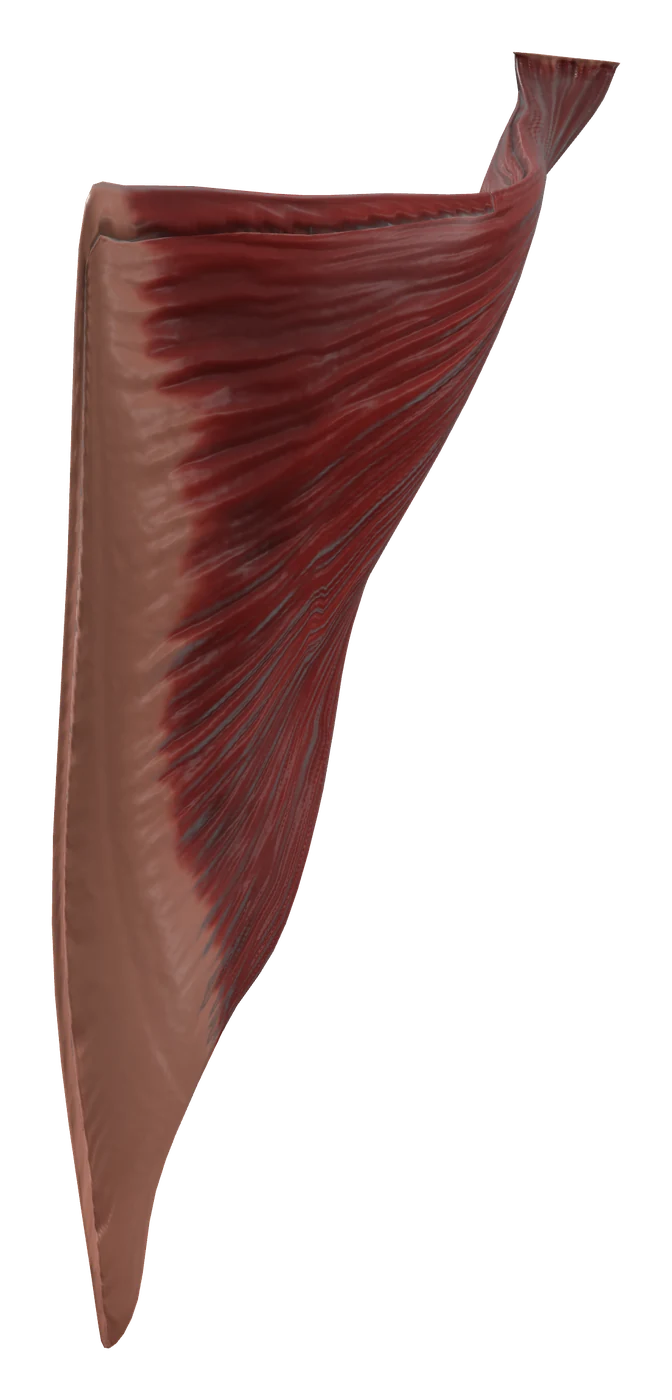 Latissimus dorsi
The broadest muscle of the back, from the spine and pelvis to the humerus.